Cooper wasn’t Brave, he was Out of Options — Interstellar
Interstellar frames Cooper, TARS, and the tesseract as a study of human mismatch against the scale of the universe.
Interstellar is the pioneer of Space epics.
Talking about the trio’s correlations (Space, Time, Gravity), along with some cool cosmic wormholes.
However, strip off these physics elements, and it portrays mankind’s cognitive, emotional, and scientific mismatch against the range of the universe they live in.
All lies & blunders point to this gap, still, we just push through this endless dark Space.
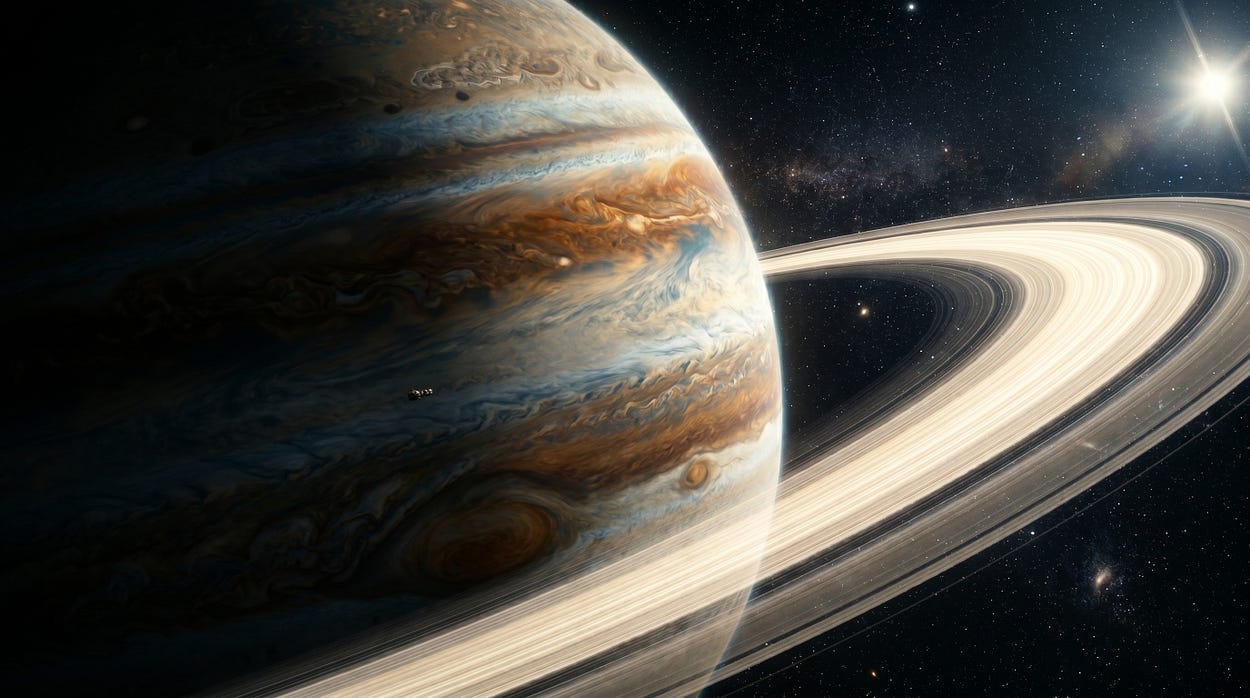
Who Cooper is
Joseph Cooper, an innate engineer in a farmer’s boots. He is the protagonist closely attached to his daughter, Murphy (Murph) Cooper.
The guy was such an engineer that he automated all the tractors on his farm. Moreover, he relied more on pattern recognition than on degrees, titles, and backgrounds. He was the opposite of what Dr Mann was, a scientist relying on institutional merits.
As an ex-NASA pilot, he led humanity’s frontier in search of other habitable worlds. He traded off his family for this cause; Even in the weightlessness of space, he felt this weight constantly.
Models always undershoot
Spoilers ahead.
When the spaceteam decided to visit Dr. Miller’s planet, the idealized relativity models predicted that an hour there equals 7 Earth years. In reality, when they returned, they jumped 23 years. A major blunder, because had they known reality, better alternatives were there.
Next comes Dr. Mann’s planet, deceitfully labelled as habitable by sending fake data to the team. He prioritized his rescue from the torpor over humanity. Was he a coward or just collapsed?
Depends on whether he foresaw the repercussions of the expedition. If he did not, then such a hopelessly long solitude broke him, hence, kicking his survival instincts.
Finally, Dr. Edmund’s planet, which actually had the habitability but no priority. Dr Brand’s prediction to visit the planet first was dismissed by Cooper as a mere emotional(love) instinct.
However, the movie placed the love hypothesis under the benefit of doubt covered by Data, and framed her emotional intuition as the most accurate scientific prediction in the film.
Heroism reframe (docking scene)
The manual docking scene was so thrilling. Cooper’s piloting prowess and his ability to suppress emotions make him a hero, but was there any other choice?
Just because movies exaggerate drama, we term Cooper’s act as heroism. However, he was totally cornered and had no choice but to perform the docking procedure.
If Endurance(main ship) had crashed, the hundred thousand human eggs would have perished along with it; Furthermore, without a main docking ship, the crew would have faced the same fate.
Therefore, Cooper wasn’t just brave; he was out of options.
He did it because he had what it takes; however, competence has a ceiling — the human body cannot be dropped into a wormhole!
TARS, machines absorb what humans cannot
TARS had frighteningly anthropomorphic emotions programmed into it. Humans feel empathy for anything that reflects emotions, even for inanimate things, which can be seen when Cooper sounds hesitant about sending him on a death mission.
Dr. Brand also resonated with this. Feeling for machines that do not feel the same can be one of the most lethal vulnerabilities of our kind! If certain situations arrive will the robots hesitate and think about us?
Anyhow, he did end up helping humans. By going into the wormhole, extending human capability to perform physical tasks previously impossible.
If more TARS start doing the physical, where will the energy spared by this offloading flow in humans?
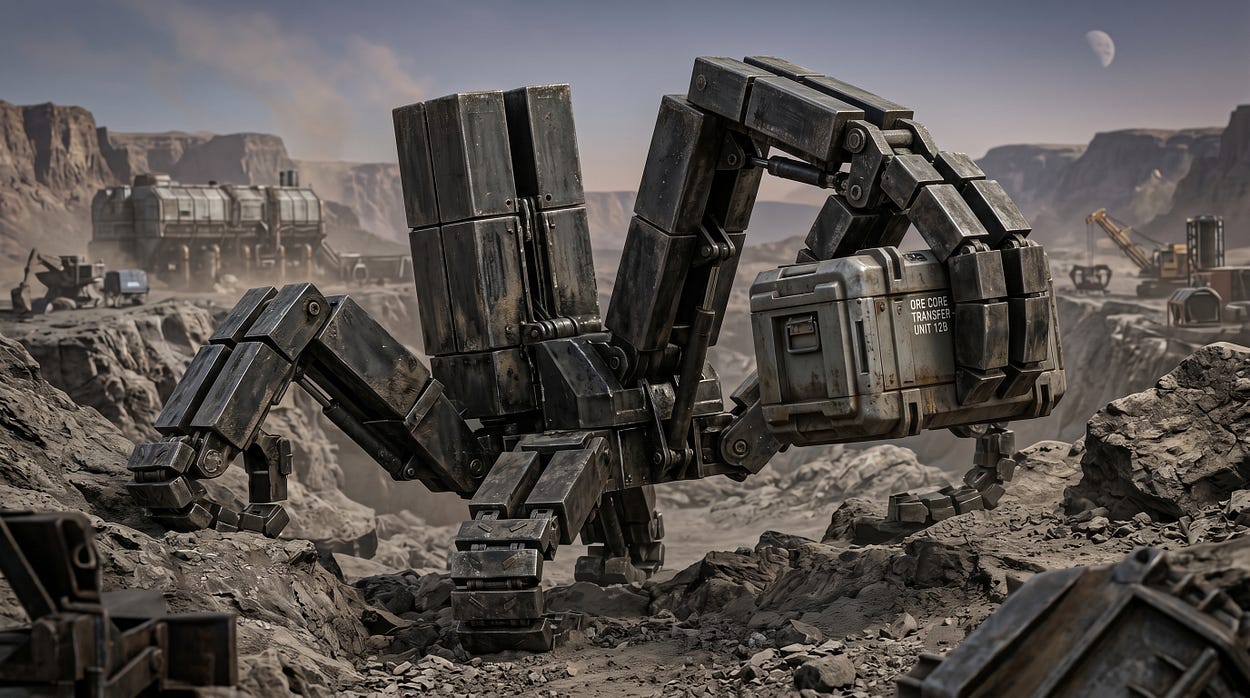
Intellectual selection
The movie showcases the first preview of humans outsourcing physical tasks to robots. This can be a solution that helps our civilization grow exponentially, how?
If machines outsource physicality, we can reduce our physical energy quota to a bare minimum. Leading to an augmented cognitive resource allocation budget.
Therefore, our spare energy can flow upwards, towards a bigger and more complex brain, enhancing our cerebral prowess to superhuman levels. Humans will undergo what I call “Intellectual Selection” — where we induce natural selection and evolve, but our intellect crafts the nature.
This combination of superior human brain & mechanical brawn may lead us to higher civilizations.
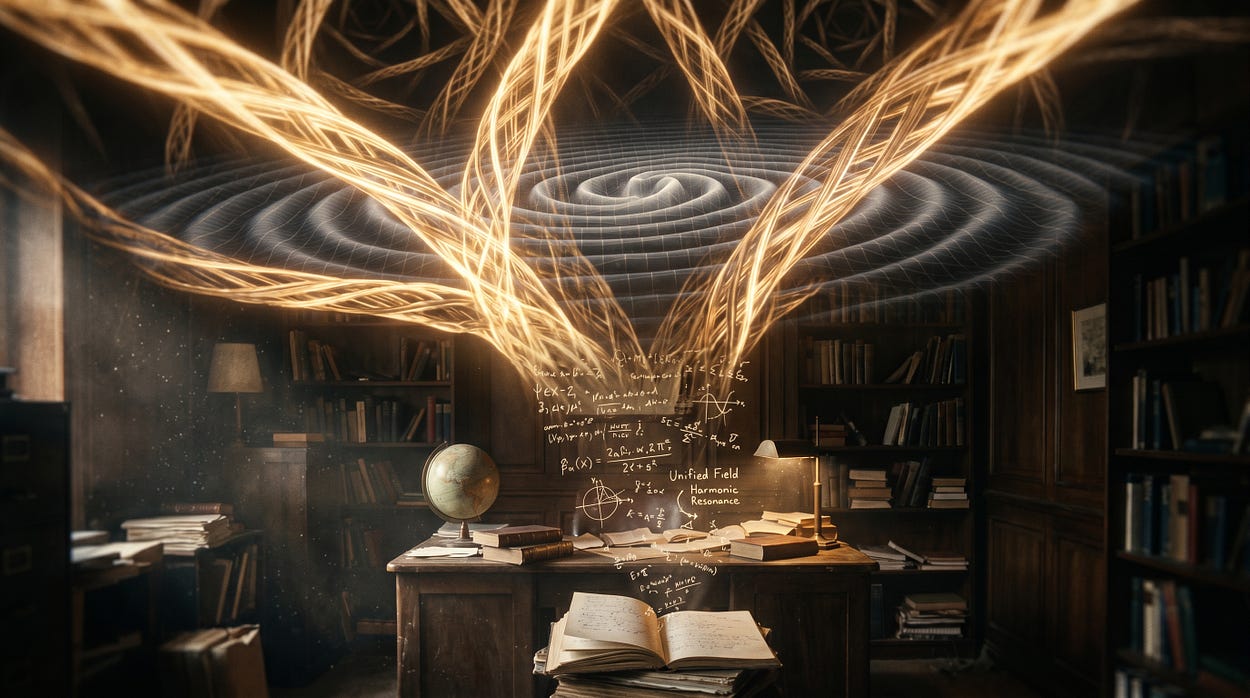
Knowledge needs a translator (Tesseract)
Future humans scaled down their 5D world to a 3D domain to create a knowledge bridge. This bridge was designed around one person’s cognitive limits, Cooper.
Gen-Z cannot relate to Baby Boomers or Gen-X, but they can to a millennial. So he was the millennial here, standing at the intersection of both worlds, receiving and transmitting the solution for humanity’s survival to Murph.
When the gap is too wide, direct communication is impervious, so we need a mediator to narrow down the gap.
Close — mismatched, persistent anyway
In a nutshell, we are not matched to the scale of the universe. All the above shortcomings point to how tiny we are outside this green globe.
Yet, constant trial and error is one of humans’ inherent tendencies that made us what we are today; our persistent frontiers to space will bear fruit someday. However, that is not the case for now, which the film firmly portrays along with our grit to go anyway.